$12.5B
FTC-reported fraud losses in 2024
FTC says consumers reported losing $12.5 billion to fraud in 2024.
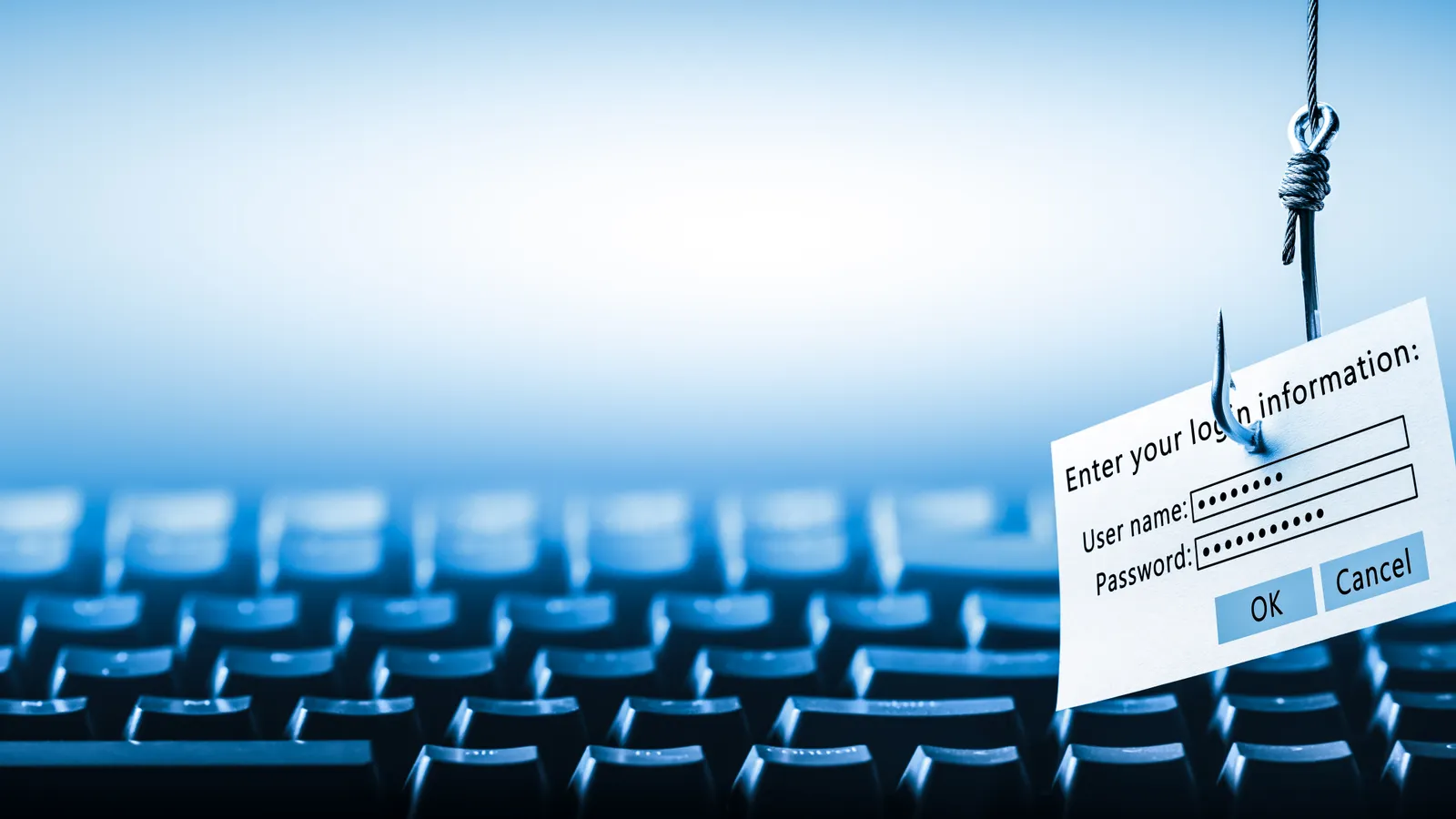
An email with a fake invoice attachment installs malware when opened, giving attackers access to the victim's computer and network.
“phishing email”
↑ 215%Key indicators
Estimated impact
$900
median reported loss
Scam breakdown
Attackers send emails with subject lines like 'Invoice #12345 Due' containing malicious attachments.
Opening the attachment or enabling macros installs ransomware, keyloggers, or remote access trojans.
The malware spreads through the network, encrypting files or exfiltrating sensitive business data.
What to do first
Never open attachments from unknown senders — verify invoices by contacting the vendor directly.
Related terms
Real-world example
Based on reported patterns. Names and details are illustrative.
The setup
Sofia, 35, a office workers, encountered what appeared to be a legitimate email phishing scams situation while using Email. Attackers send emails with subject lines like 'Invoice #12345 Due' containing malicious attachments.
Step 2
What happened next was calculated: Opening the attachment or enabling macros installs ransomware, keyloggers, or remote access trojans.
Step 3
The pressure escalated quickly: The malware spreads through the network, encrypting files or exfiltrating sensitive business data.
The outcome
Sofia realized something was wrong when an invoice arrives from a company you do not do business with. By that point, significant damage had already been done — money sent, personal information shared, or trust exploited.
The lesson
Never open attachments from unknown senders — verify invoices by contacting the vendor directly. Sofia's experience shows why an invoice arrives from a company you do not do business with and the attachment is a .zip, .exe, or macro-enabled office file rather than a standard pdf are the clearest early warning signs.
How to identify it
What to do now
What to save before reporting
How big is this problem
These numbers come from government agencies and official reports. If you have been affected, know that this is a widespread problem — not something that only happens to careless people.
$12.5B
FTC says consumers reported losing $12.5 billion to fraud in 2024.
Imposters
FTC says imposter scams remained the most commonly reported fraud category in 2024.
History and evolution
Recovery and follow-up
Why this pattern keeps working
Even when the story changes, most scams still use the same pressure pattern: urgency, authority, and a request to move money or data fast.
Verizon's Data Breach Investigations Report consistently finds that email attachments remain one of the top malware delivery vectors in enterprise breaches.
OpenScam research
Where to report it
If you have been targeted by this scam, reporting it helps authorities track the pattern and protect others. United States has dedicated agencies that handle fraud reports.
ReportFraud.gov
Federal Trade Commission
Central U.S. consumer fraud reporting portal.
File an IC3 complaint
FBI Internet Crime Complaint Center
FBI portal for internet-enabled crime reports.
Start identity theft recovery
IdentityTheft.gov
Official U.S. identity theft recovery plan builder.
Explore further
Who is most at risk
Primary targets
Office workers, Executives, IT administrators
Geographic concentration
United States, United Kingdom, Germany, Australia
Primary channel
Email — Email phishing scams
Why this group is vulnerable
Office workers are particularly vulnerable because this scam exploits trust in familiar brands, authority figures, and time-sensitive decisions. The rapid increase in reports suggests that awareness among this demographic remains low.
Sources and methodology
OpenScam tracks scam patterns using a combination of government consumer protection databases (FTC, IC3, Action Fraud), platform-specific fraud reports, and verified consumer complaint data. Each entry is cross-referenced against at least two independent sources before publication.
Severity ratings are based on financial impact potential, reversibility of damage, and volume of reports across multiple reporting channels. Trend velocity reflects the rate of change in report volume over the most recent 90-day window.
This page was last verified on 2026-04-04. Red flags, recovery steps, and reporting resources are reviewed quarterly against current agency guidance.
Evidence and indicators
Source notes
Frequently asked questions
Attackers send emails with subject lines like 'Invoice #12345 Due' containing malicious attachments. Opening the attachment or enabling macros installs ransomware, keyloggers, or remote access trojans. The malware spreads through the network, encrypting files or exfiltrating sensitive business data.
An invoice arrives from a company you do not do business with The attachment is a .zip, .exe, or macro-enabled Office file rather than a standard PDF The email urges immediate action to avoid late fees or account suspension
Never open attachments from unknown senders — verify invoices by contacting the vendor directly. Keep your operating system and antivirus software updated to catch known malware signatures. Report malicious emails to your IT security team and disconnect from the network if you opened a suspicious attachment.
This scam primarily targets Office workers, Executives, IT administrators. It is most commonly reported in United States, United Kingdom, Germany, Australia and typically appears on Email.
invoice attachment malware scam is currently surging — reports are increasing rapidly. It has been reported across US, UK, DE, AU. Last updated 2026-04-04.
Related scams
A victim receives what looks like a legitimate remote job offer and is asked to pay upfront for equipment, training, or background checks.
Verify the recruiter and company domain independently.
Job seekers
Global
A new hire is told to receive packages at home and forward them using labels provided by the employer.
Do not handle goods or forward packages for an employer you cannot verify.
Job seekers
Global
A fake employer sends a cheque for equipment during the interview stage and asks the candidate to forward part of the money to a vendor.
Do not deposit employer cheques tied to urgent vendor payments.
Students
U.S.
Help someone avoid this scam.
Scammers succeed because people do not talk about it. If you or someone you know has been affected, there is no shame in it — it happens to millions of people every year. Share this page with friends and family so they know what to look for.
Relevant collections